

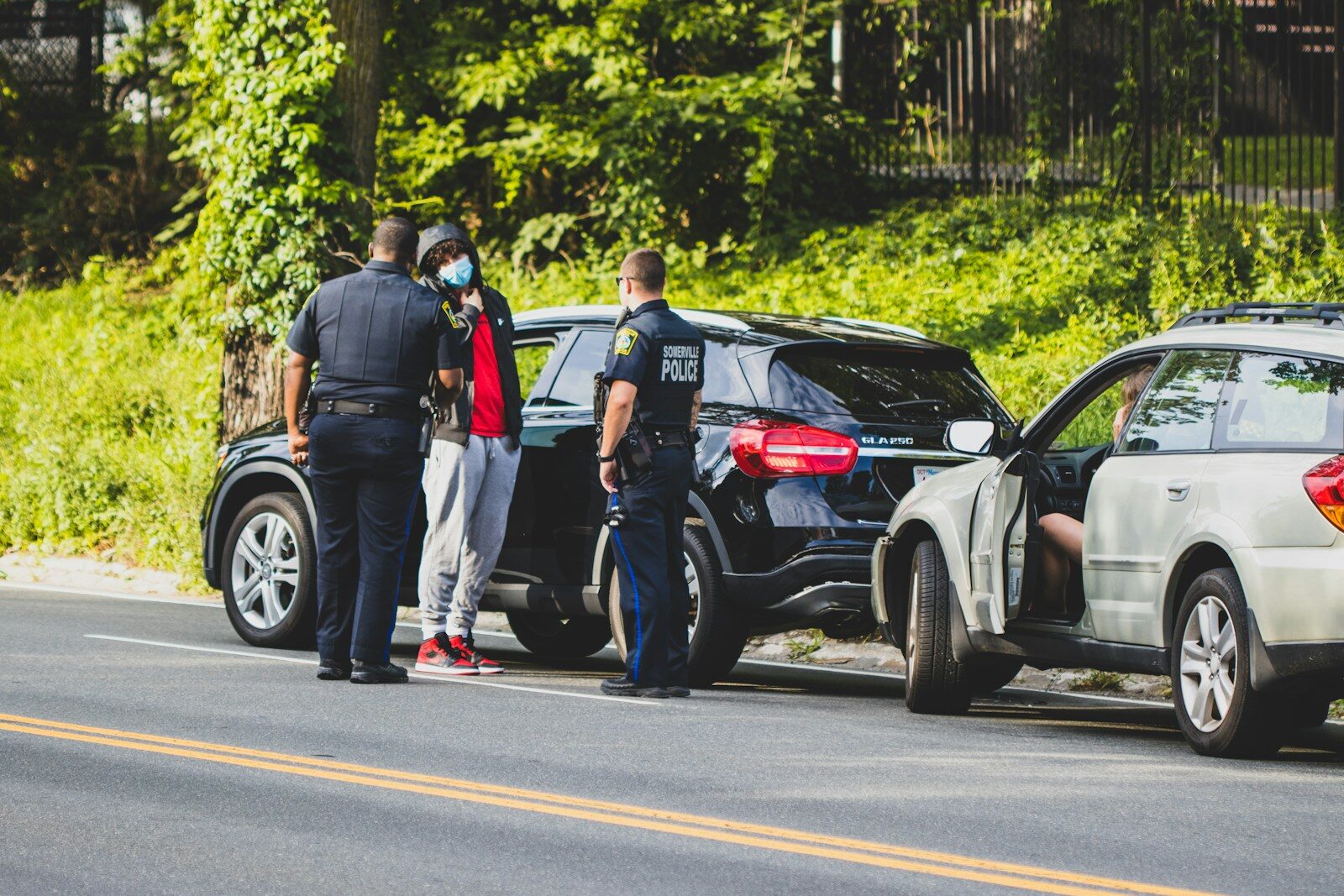
The hours after an accident rarely feel organized. One minute you’re sitting in traffic on I-95 or trying to get home through downtown Miami, and the next you’re answering questions from police officers, insurance adjusters, tow truck drivers, and worried family members all at once.
Most people don’t realize how quickly small decisions can affect a personal injury claim. A missed doctor’s appointment, an offhand comment to an insurer, or waiting too long to ask questions can quietly weaken a case before it ever gets started.
If you were injured in a Florida accident, knowing what not to do can be just as important as knowing what steps to take next.

1. Waiting Too Long to Get Medical Treatment
A lot of injury victims try to “tough it out” after a crash.
Maybe the adrenaline is still high. Maybe the pain feels manageable at first. Maybe you just want to avoid another bill or another disruption to your week.
But delayed treatment is one of the most common problems in Florida injury claims, thanks to Florida’s 14-day PIP Rule.
Soft tissue injuries, concussions, back injuries, and internal trauma do not always show symptoms immediately. By the time stiffness, headaches, or nerve pain fully set in, the insurance company may already be questioning whether the accident actually caused your injuries.
Getting prompt medical care helps protect:
- Your physical recovery
- The timeline connecting the injury to the accident
- Your medical documentation
- Your ability to recover compensation later
For people injured in South Florida crashes, documenting treatment early can become especially important in high-traffic areas like Miami, where insurers often scrutinize claims aggressively.
If you’re dealing with injuries after a crash, the firm’s Miami personal injury representation page explains more about how local accident claims are handled.
2. Giving Too Much Information to the Insurance Company
Many people assume the insurance adjuster is simply trying to “process the claim.”
In reality, early conversations often shape how the insurer evaluates fault, injuries, and compensation.
That’s why seemingly harmless statements can create problems later:
- “I’m probably okay.”
- “I didn’t see the other driver.”
- “Maybe I was going a little fast.”
- “I’ve had back pain before.”
Even casual comments can later be used to minimize injuries or shift blame.
You generally need to report the accident, but you do not need to speculate, guess, or provide a detailed recorded statement before understanding the full extent of your injuries.
This becomes especially important in cases involving serious vehicle damage or disputed liability. The firm’s Florida car accident lawyer page discusses how insurers often approach these claims after a crash.
3. Posting About the Accident on Social Media
People post online automatically now. It’s second nature.
But after an accident, social media can become evidence.
A photo from dinner, a vacation post, or even a smiling picture at a family event may be taken out of context and used to argue that your injuries are not serious.
Insurance companies and defense lawyers sometimes monitor:
- TikTok
- X/Twitter
- Tagged photos from friends or family
Even private accounts are not always fully protected once litigation begins.
That does not mean you have to disappear from the internet entirely. It simply means being careful about what you share while a claim is active.
4. Accepting a Quick Settlement Before You Know the Full Cost of Your Injuries
The first settlement offer often arrives when people feel the most pressure.
Medical bills are coming in. Work has been interrupted. Your car may still be in the shop. The offer can feel like relief.
But early settlements are frequently based on incomplete information.
Once a release is signed, you usually cannot go back and ask for additional compensation later — even if your injuries worsen or treatment becomes more expensive than expected.
Before accepting any offer, it’s important to understand:
- Future medical costs
- Physical therapy needs
- Lost income
- Reduced earning ability
- Long-term pain or limitations
Many injured people hesitate to speak with a lawyer because they assume they cannot afford one. The firm’s contingency fee explanation page explains how personal injury representation typically works without upfront legal fees.
5. Trying to Handle a Serious Injury Claim Entirely Alone
Not every accident requires a lawsuit. But serious injury cases can become complicated quickly.
Multiple insurance policies, disputed fault, medical record requests, surveillance, delayed treatment arguments, and low settlement tactics can all start showing up before an injured person fully realizes what’s happening.
People are often trying to heal while simultaneously:
- Gathering records
- Negotiating with adjusters
- Tracking missed work
- Managing medical appointments
- Understanding legal deadlines
That pressure adds up fast.
An attorney can help organize the claim, preserve evidence, calculate damages, and handle communication with insurers so the injured person is not carrying the entire process alone.
What These Mistakes Have in Common
Most claim mistakes do not come from carelessness.
They happen because injured people are overwhelmed, in pain, and trying to make decisions without clear information.
Insurance companies deal with accident claims every day. Most injured people do not.
The earlier you understand how documentation, treatment, communication, and settlement decisions affect a Florida personal injury claim, the easier it becomes to avoid problems that can reduce compensation later.
Talk to Echevarria Law Firm About Your Florida Injury Claim
If you were hurt in an accident and are unsure what to do next, Echevarria Law Firm can help you understand your options and avoid mistakes that could hurt your case.