


Receiving a letter stating that your insurance claim has been denied can be overwhelming. After dealing with an accident, injuries, medical appointments, lost wages, and mounting expenses, the last thing you expect is for the insurance company to refuse payment.
Many people immediately assume the insurance company has the final say.
In reality, that is often not true.
If you’ve been searching for what to do if an insurance claim is denied, it’s important to understand that many denied claims can still be challenged. Insurance companies make mistakes, interpret policies differently than policyholders, or deny claims because they believe there is insufficient evidence. In some cases, an insurer may deny a valid claim in hopes that the claimant simply gives up.
The first few days after receiving a denial can have a significant impact on the outcome of your case. Taking the right steps can help preserve evidence, protect your rights, and strengthen any future appeal or legal claim.
This guide explains how to respond to a denied insurance claim in Florida, common reasons claims are denied, warning signs of unfair insurance practices, and when it may be appropriate to consult an attorney.
First Steps After Your Insurance Claim Is Denied
Receiving a denial letter does not necessarily mean your case is over.
Instead of assuming there is nothing more you can do, approach the situation methodically.
Read the Denial Letter Carefully
Your denial letter is one of the most important documents in your case.
Insurance companies are generally required to explain why they denied coverage. While the explanation may include technical policy language, it should identify the insurer’s reason for refusing payment.
Pay close attention to:
- The stated reason for the denial
- Policy provisions the insurer relied upon
- Whether the denial is partial or complete
- Any documentation the insurer says is missing
- Appeal or reconsideration deadlines
- Instructions for disputing the decision
Do not rely on a brief phone conversation with an insurance adjuster. The written denial letter is the official explanation and should become the starting point for your response.
Stay Organized
Create a folder—either digital or physical—that contains every document related to your claim.
This should include:
- Police or accident reports
- Medical records
- Hospital discharge paperwork
- Bills and invoices
- Prescription receipts
- Photographs of injuries or property damage
- Witness statements
- Emails and letters from the insurer
- Claim forms
- Repair estimates, if applicable
An organized file makes it easier to identify missing information and respond quickly to requests from the insurance company.
Avoid Assuming the Insurance Company Is Correct
Many claimants believe that if an insurance company denies a claim, there must be a legal reason for doing so.
That is not always the case.
Insurance companies evaluate thousands of claims every year. Errors can occur, documentation can be overlooked, and disagreements over coverage may arise.
A denial should be viewed as something to investigate—not automatically accept.
Get the Denial Reason in Writing
If you have only received a verbal explanation, request a written denial immediately.
The written denial serves several important purposes.
It helps you:
- Understand exactly why the claim was denied
- Identify factual mistakes
- Determine whether additional evidence could resolve the issue
- Compare the insurer’s reasoning with your policy language
- Build an organized appeal
Common reasons insurers deny injury claims include:
- Alleged policy exclusions
- Disputes about who caused the accident
- Failure to report the claim promptly
- Questions regarding medical necessity
- Lack of supporting documentation
- Disagreement that injuries were related to the accident
- Missed deadlines
- Coverage limitations
Some of these issues can be corrected with additional documentation, while others may require a more formal legal dispute.
Review Your Insurance Policy
Insurance policies are lengthy documents filled with legal terminology, but they remain one of the most important pieces of evidence in your case.
Review sections addressing:
- Coverage limits
- Exclusions
- Deductibles
- Reporting deadlines
- Required documentation
- Medical payment coverage
- Personal injury protection (PIP), if applicable
- Liability provisions
If the insurance company relies on a specific policy section, read that section carefully.
Sometimes a denial results from differing interpretations of policy language rather than clear-cut exclusions.
Gather Additional Evidence
One of the most effective ways to strengthen an appeal is by submitting additional evidence that directly addresses the insurer’s concerns.
Helpful documentation may include:
- Updated physician reports
- Diagnostic imaging
- Treatment records
- Physical therapy records
- Surgical recommendations
- Independent medical opinions
- Employment records showing lost wages
- Pay stubs
- Expert opinions
- Additional witness statements
- Accident reconstruction reports
- Surveillance footage
- Photographs taken after the accident
The goal is to eliminate uncertainty wherever possible.
Keep Detailed Records of Every Conversation
Create a communication log.
Record:
- Date
- Time
- Representative’s name
- Phone number
- Summary of the discussion
- Documents requested
- Documents submitted
If disagreements arise later, detailed notes may help clarify what information was exchanged and when.
Whenever possible, communicate in writing or follow up phone conversations with an email summarizing what was discussed.
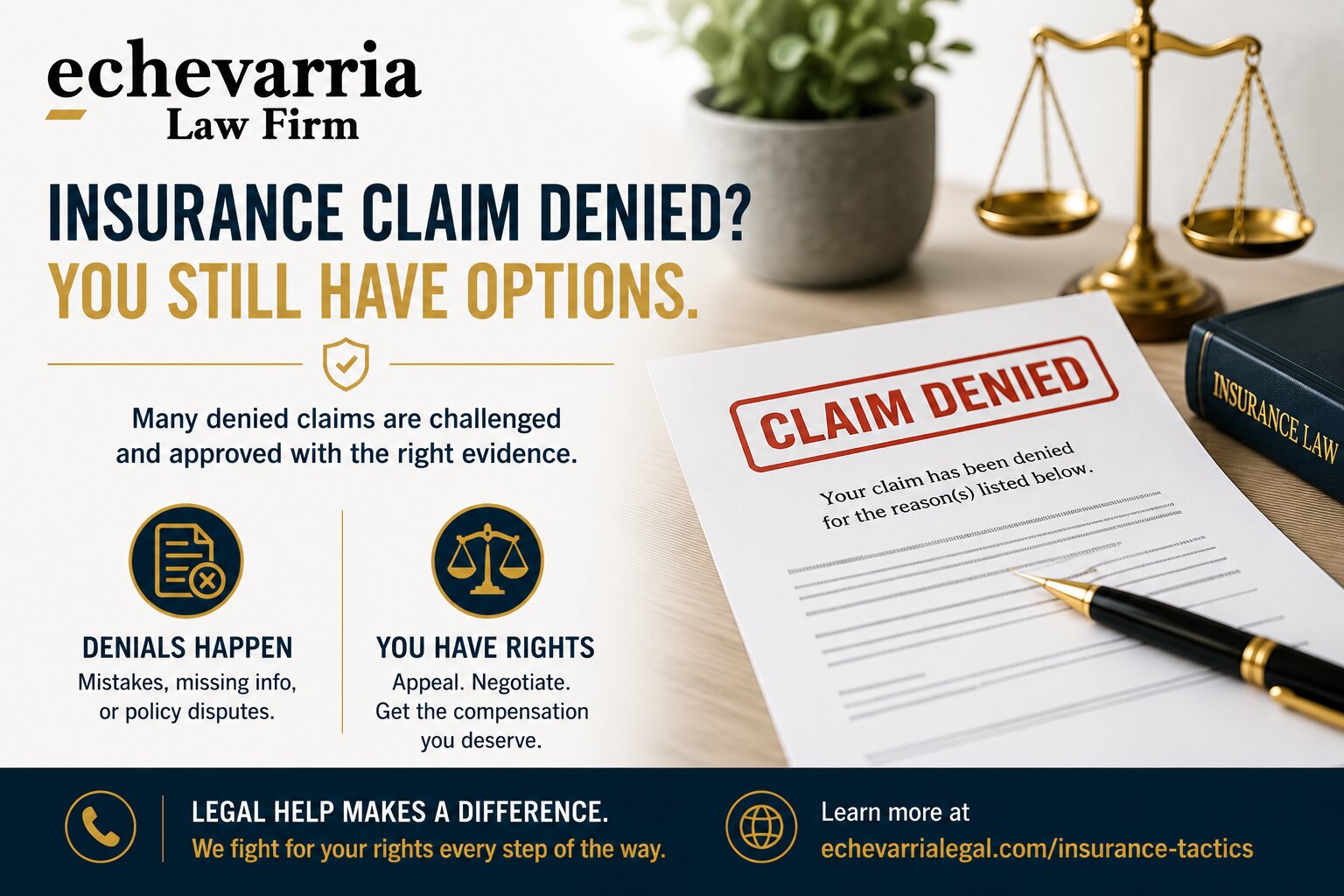
How to Appeal or Dispute a Denial in Florida
Many insurance companies have internal appeal procedures.
These appeals are most effective when they directly address the insurer’s stated reasons for denying the claim.
Respond to Each Reason Individually
Do not simply write, “I disagree.”
Instead:
- Quote the denial reason.
- Explain why you believe it is incorrect.
- Attach supporting documentation.
- Reference relevant medical records or policy provisions.
A well-organized appeal is often far more persuasive than a general complaint.
Submit Supporting Documentation
Your appeal should include copies—not originals—of relevant evidence.
Organize documents clearly using headings or numbered exhibits whenever possible.
This makes it easier for reviewers to evaluate your position.
Meet Every Deadline
Appeal deadlines vary by insurer and policy.
Missing a deadline may make resolving the dispute more difficult.
Always retain proof that your appeal was submitted.
Certified mail or other tracking services can provide confirmation of delivery.
Continue Medical Treatment
If your physician recommends additional treatment, continue following medical advice whenever possible.
Insurance companies sometimes argue that long gaps in treatment suggest injuries were not serious or were unrelated to the accident.
Continuing appropriate treatment helps document the progression of your injuries.
Common Bad-Faith Insurance Denial Tactics to Watch For
Not every denial is improper.
Insurance companies are allowed to investigate claims and deny claims they reasonably believe are not covered.
However, insurers are generally expected to handle claims fairly and honestly.
Potential warning signs include:
Unreasonable Delays
Weeks or months of unnecessary delays without explanation may create financial pressure on injured claimants.
Constant Requests for More Documentation
Repeatedly requesting documents that have already been submitted may unnecessarily prolong the process.
Misrepresenting Policy Language
Some disputes arise because insurers interpret policy language differently than policyholders.
If the explanation seems inconsistent with your policy, further review may be appropriate.
Ignoring Medical Evidence
Medical records, physician opinions, and diagnostic testing should generally be considered during claim evaluation.
Ignoring substantial evidence without explanation may raise concerns.
Changing the Reason for Denial
If the insurer provides one explanation initially but later relies on entirely different reasons, it may indicate weaknesses in the original decision.
Conducting an Inadequate Investigation
A claim should generally be investigated before it is denied.
If important witnesses were never contacted or available evidence was ignored, additional review may be warranted.
When to Bring in a Personal Injury Lawyer
Some insurance disputes can be resolved through additional documentation alone.
Others become much more complicated.
You may wish to speak with a personal injury attorney if:
- Your injuries are severe.
- Medical bills continue increasing.
- The insurance company refuses to explain the denial.
- Liability is disputed.
- Multiple parties are involved.
- The insurer delays responding for extended periods.
- Your appeal has already been denied.
- You believe the insurer acted unfairly.
- Significant compensation is at stake.
An attorney can review the denial letter, analyze the insurance policy, communicate directly with the insurer, preserve important evidence, and explain the legal options available under Florida law.
If you need guidance after receiving a denial, speaking with a Miami personal injury lawyer through the firm’s insurance tactics page can help you better understand your rights and the next steps available based on your individual circumstances.
Mistakes to Avoid After an Insurance Claim Denial
Many people unintentionally make their situation more difficult after receiving a denial.
Avoid these common mistakes:
Ignoring the Denial Letter
Putting the letter aside does not stop deadlines from running.
Read it promptly and understand what action is required.
Missing Appeal Deadlines
Every insurer has different procedures.
Mark important dates immediately.
Throwing Away Documents
Keep every email, letter, bill, receipt, and medical record.
Small details often become important later.
Posting About Your Accident on Social Media
Photos or comments taken out of context may complicate your claim.
Consider limiting public discussions about your accident while your claim remains unresolved.
Accepting the First Answer Without Question
A denial is not necessarily the final outcome.
Many disputes are resolved after additional documentation or further review.
Final Thoughts
A denied insurance claim can feel discouraging, but it does not always mean you have lost your right to compensation.
Understanding why your claim was denied, gathering supporting documentation, reviewing your insurance policy, meeting appeal deadlines, and recognizing potential warning signs of unfair claim handling can all improve your ability to respond effectively.
Every case is unique, and Florida insurance laws can be complex. If your claim involves serious injuries, significant financial losses, or an insurer that refuses to fairly evaluate your case, obtaining legal guidance may help you better understand your options. Call us now at 305.707.3991 or contact us to request a free consultation.
Frequently Asked Questions
Why was my insurance claim denied?
Insurance claims may be denied for many reasons, including insufficient evidence, policy exclusions, late reporting, disputes over liability, incomplete medical records, questions about whether the injuries resulted from the accident, or other coverage issues. Your denial letter should explain the insurer’s stated reason.
Can I appeal an insurance claim denial?
Yes. Most insurance companies have an internal appeal or reconsideration process. A successful appeal often includes additional documentation, updated medical records, expert opinions, witness statements, or evidence addressing the insurer’s specific reasons for denying the claim.
Is an insurance claim denial final?
No. In many situations, a denial is simply one stage of the claims process. Some claims are approved after additional information is submitted, while others may require legal assistance or further dispute resolution.
How long do I have to appeal an insurance claim denial?
The deadline depends on the insurance policy and the insurer’s procedures. Some appeals must be filed within a relatively short period, so it is important to review the denial letter carefully and act promptly.
Should I keep talking to the insurance adjuster after my claim is denied?
You may continue communicating with the insurer, but keep detailed records of every conversation. If the claim involves serious injuries, complicated legal issues, or repeated disputes, it may be beneficial to seek legal guidance before providing additional recorded statements or signing documents.
Can new medical evidence help overturn a denial?
Yes. Updated physician reports, specialist evaluations, diagnostic imaging, treatment records, and expert opinions may help address concerns raised by the insurance company and strengthen an appeal.
What if the insurance company keeps delaying my claim?
Repeated delays without reasonable explanation may be a warning sign that the claim is not being handled efficiently. Continue documenting every interaction, keep copies of all correspondence, and consider consulting an attorney if delays become excessive.
Disclaimer
This article is for general informational purposes only and does not constitute legal advice. For advice specific to your situation, contact a licensed Florida personal injury attorney.